




Table of Contents
ToggleIn the chemical industry, quality control is not optional. Whether you are a manufacturer, importer, distributor, or end-user, strong quality control practices protect product performance, regulatory compliance, workplace safety, and brand credibility. Inadequate quality checks can result in batch failures, customer complaints, regulatory penalties, or even safety incidents.
For modern manufacturers and chemical buyers, documents such as COA (Certificate of Analysis) and MSDS/SDS (Material Safety Data Sheet) form the backbone of quality and compliance. However, effective quality control goes far beyond paperwork. This blog explains the top best chemical quality control practices, with clear explanations of COA and MSDS and how they fit into a robust QC framework.
Why Quality Control Is Critical in the Chemical Industry
Chemical quality control ensures that every batch meets predefined specifications, performs consistently, and complies with safety and environmental regulations. Strong QC practices help organizations:
- Maintain consistent product performance
- Reduce production and formulation risks
- Ensure regulatory and audit readiness
- Improve customer trust and repeat business
- Minimize safety and environmental incidents
As supply chains globalize and regulations tighten, quality control has become a strategic function rather than a routine checklist.
1. Supplier Qualification and Approval
Quality control begins long before a chemical reaches your facility.
- Evaluate supplier manufacturing capabilities
- Review certifications and audit reports
- Assess quality management systems
- Validate consistency across batches
Supplier qualification ensures that raw materials come from reliable, compliant sources. Approved suppliers typically follow documented processes, maintain traceability, and provide consistent quality documentation. This reduces downstream risks and avoids surprises during production or audits.
2. Incoming Raw Material Inspection
Every incoming batch should undergo systematic inspection before use or resale.
- Verify packaging integrity and labeling
- Match batch numbers with documentation
- Conduct visual and physical checks
- Sample testing where applicable
Incoming inspection acts as the first internal checkpoint. Even trusted suppliers can face occasional deviations during transport or production. Early detection prevents off-spec materials from entering the production line.
3. Certificate of Analysis (COA) Verification
A Certificate of Analysis (COA) confirms that a specific batch meets defined specifications.
- Confirms purity, composition, and key parameters
- Links test results to batch or lot numbers
- Serves as proof of compliance
- Required for audits and customer validation
QC teams must verify that COA values match internal specifications and agreed tolerances. Blindly accepting COAs without review can expose organizations to quality and compliance risks.
4. Understanding and Managing MSDS / SDS
An MSDS (Material Safety Data Sheet), now more commonly called SDS, provides safety, handling, and hazard information.
- Identifies chemical hazards
- Defines safe handling and storage practices
- Provides emergency response guidelines
- Ensures workplace and transport safety
Proper MSDS management ensures employees understand risks and follow correct safety protocols. Updated SDS documents are essential for regulatory compliance, insurance coverage, and emergency preparedness.
5. In-House Testing and Validation
Internal testing strengthens confidence in supplier-provided data.
- Verify key physical and chemical properties
- Detect deviations or contamination
- Build internal quality benchmarks
- Support customer-specific requirements
In-house testing may include pH, viscosity, density, melting point, particle size, or functional performance tests. Even partial validation significantly improves quality assurance and traceability.
6. Batch Traceability and Documentation
Traceability allows every product to be tracked from source to end use.
- Maintain batch and lot records
- Link raw materials to finished products
- Enable fast root-cause analysis
- Support recalls and investigations
Robust traceability systems help companies respond quickly to quality issues and regulatory inquiries. In modern QC systems, digital traceability tools are increasingly replacing manual logs.
7. Storage and Handling Controls
Improper storage can degrade even high-quality chemicals.
- Control temperature and humidity
- Follow compatibility and segregation rules
- Prevent contamination and leakage
- Monitor shelf life and expiry dates
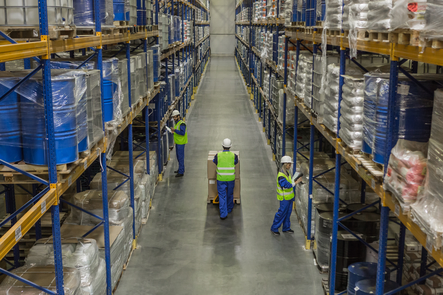
Quality control extends into warehouses and storage areas. Adhering to recommended storage conditions preserves chemical integrity and ensures safety throughout the product lifecycle.
8. Process Control and In-Process Checks
For manufacturers, controlling quality during production is critical.
- Monitor critical process parameters
- Conduct in-process sampling
- Detect deviations early
- Reduce batch rejections
In-process QC checks prevent defects from propagating across large batches. They also reduce waste, downtime, and rework costs, improving overall manufacturing efficiency.
9. Finished Product Quality Testing
Final product testing ensures customer-ready quality.
- Confirm performance parameters
- Validate compliance with specifications
- Ensure packaging and labeling accuracy
- Approve batch release
Finished product QC acts as the last gate before shipment. It ensures that only compliant, safe, and high-quality products reach customers or markets.
10. Continuous Improvement and Audits
Quality control is not static; it must evolve continuously.
- Conduct internal quality audits
- Review non-conformances and corrective actions
- Update SOPs and specifications
- Train staff regularly
Continuous improvement transforms QC from a defensive function into a value-adding capability. Organizations that invest in regular audits and training consistently outperform peers in reliability and customer satisfaction.
COA vs MSDS: Understanding the Difference
Certificate of Analysis (COA)
- Confirms batch-specific quality parameters
- Focuses on purity, composition, and test results
- Used for quality validation and acceptance
- Changes with every batch
Material Safety Data Sheet (MSDS/SDS)
- Focuses on safety, hazards, and handling
- Not batch-specific
- Used for compliance, safety, and transport
- Updated when regulatory or hazard information changes
Both documents serve different but complementary roles in chemical quality control.
How Strong QC Practices Benefit Manufacturers and Buyers
Effective quality control delivers tangible business benefits:
- Reduced formulation failures and rejections
- Faster customer approvals and audits
- Improved regulatory confidence
- Lower risk of recalls and safety incidents
- Stronger supplier and customer relationships
In competitive chemical markets, quality is often the key differentiator.